Women's Wrestling Pioneers
Mildred Burke, The Fabulous Moolah and more. Mildred Burke and The Fabulous Moolah fought for drawing power in a man's business, building women's wrestling from carnival novelty into a main event.
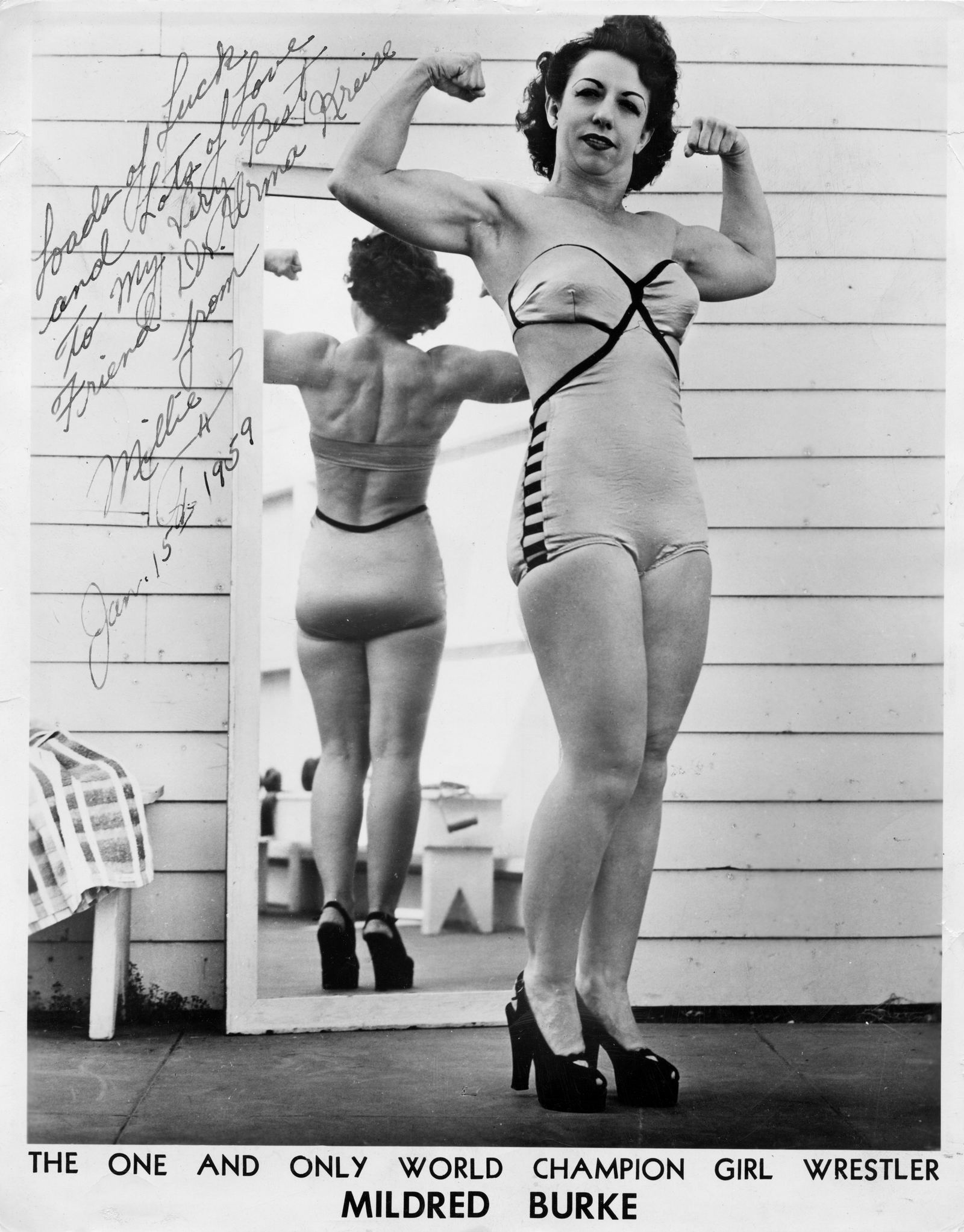
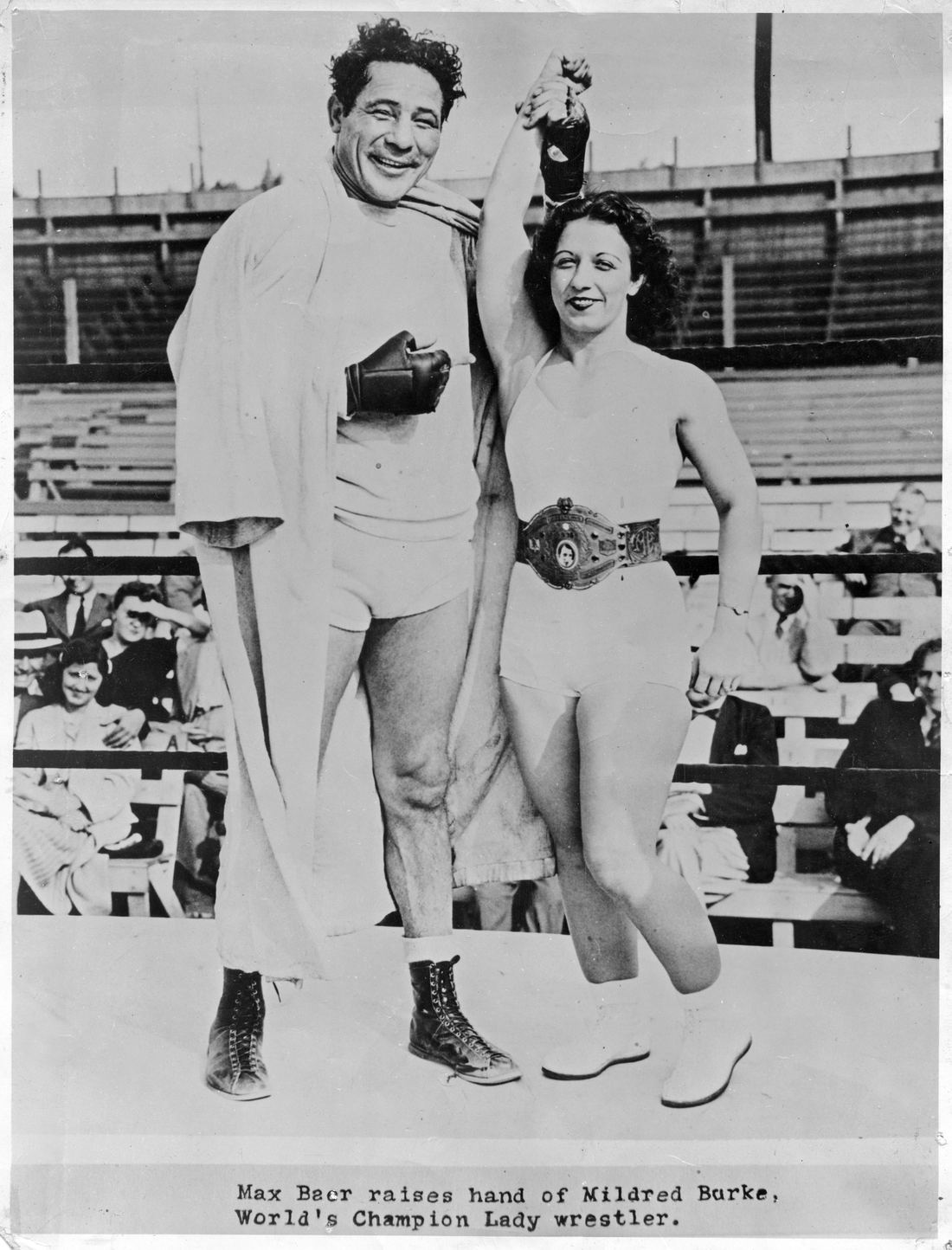
Mildred Burke, women's world champion: Unknown photographer, Public domain
Beating the men at the carnival
Mildred Burke was born in 1915 in Coffeyville, Kansas. In the mid-1930s she sought out promoter Billy Wolfe, who would become her husband and manager, and began wrestling men in carnival-style challenge matches. Women wrestlers were treated as a sideshow in those years, and in many states they were banned outright.
Burke was strong, fast and fearless, and she drew real crowds. In 1937 she won the women's world championship from Clara Mortensen and held it for most of the next 17 years. She toured constantly, earned money that rivaled male stars, and became the face of women's wrestling in America.
The spark in Japan
In November 1954, Burke led a small group of American women wrestlers, including Mae Young, on a tour of Japan. The shows helped inspire a wave of Japanese women's promotions. The tradition known as joshi puroresu grew from that seed into one of the most athletic forms of wrestling in the world.
That same year, two years after her split from Wolfe, Burke lost a disputed title match to June Byers in Atlanta. She later ran her own promotion and trained young wrestlers until her death in 1989.
The Fabulous Moolah
Mary Lillian Ellison was born in South Carolina in 1923. As The Fabulous Moolah, she won a women's world title in a battle royal on September 18, 1956, and was promoted as champion for most of the following three decades. She lost the title to Wendi Richter on July 23, 1984, as wrestling entered the cable television boom.
Moolah also ran a training school and controlled bookings for many women wrestlers for decades. Some of her former trainees later accused her of exploiting them financially and worse, and her legacy remains contested. Any honest history includes both her longevity and those accounts.
The road they paved
Women in wrestling once had to fight for permission to perform at all. Thanks to Burke, Byers, Moolah and many lesser-known pioneers, women's matches eventually moved from the undercard to the top of shows around the world.
Many of these women worked in a time when some states would not license them, when their pay was controlled by managers and when they had little legal protection. Their careers show both the talent and the hard conditions that defined early women's wrestling, and they help explain why later generations pushed so hard for fair treatment.
- Wikipedia: Mildred Burke
- Wikipedia: The Fabulous Moolah
- Wikipedia: June Byers
- Nippon.com: The Furious Theater of Women's Professional Wrestling in Japan
Facts on this page were checked against these sources.
- Mildred Burke, women's world champion: Unknown photographer, Public domain
- Mildred Burke with boxer Max Baer: Unknown photographer, Public domain
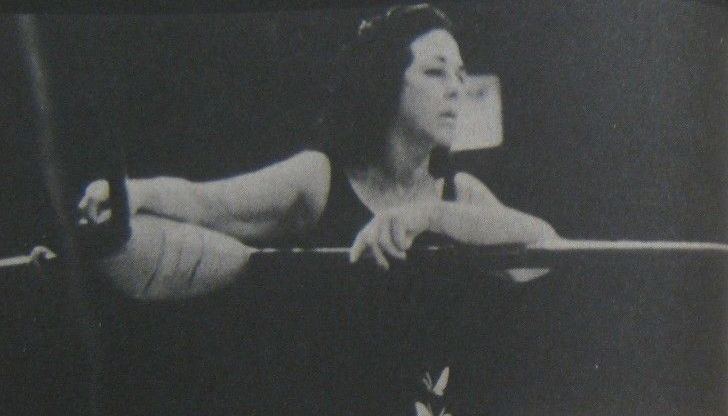
- The Fabulous Moolah, 1975: Unknown (Wrestling Annual, 1975), Public domain
Text written by Entertainment Wrestling World.