Rikidozan and Japanese Puroresu
The sumo wrestler who built a nation's style. Former sumo wrestler Rikidozan turned pro wrestling into a postwar TV phenomenon in Japan and founded the tradition known as puroresu.
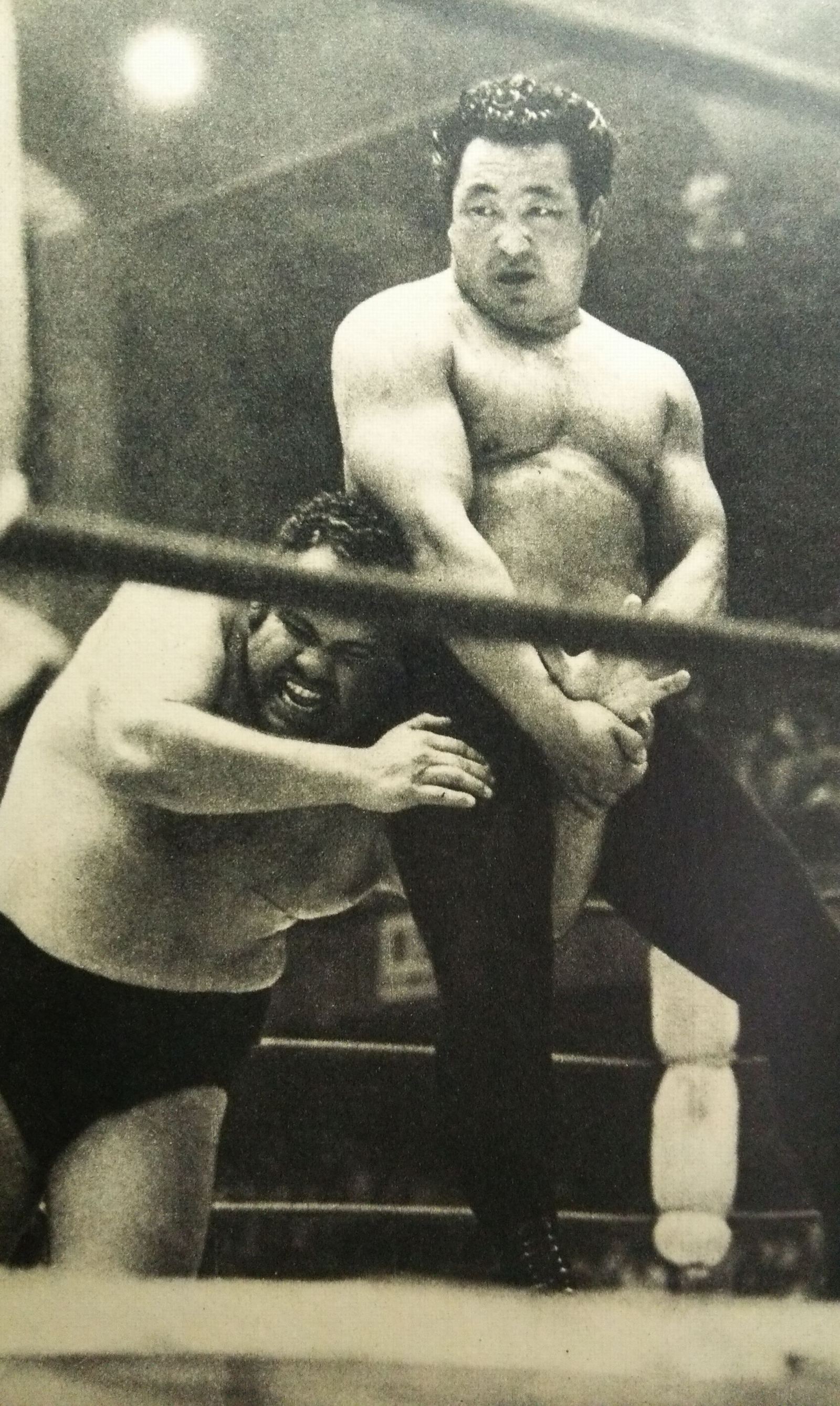
Rikidozan, 1955: Asahi Shimbun, Public domain
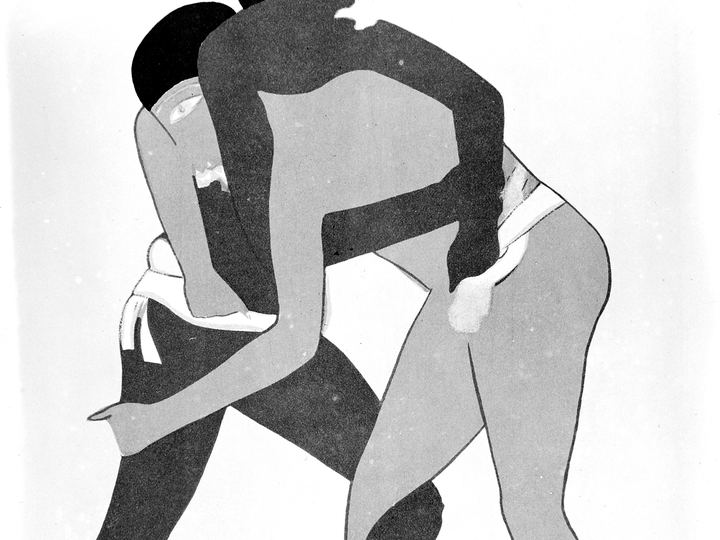
From the sumo ring
Rikidozan was born in 1924 in Korea, then under Japanese rule, and came to Japan as a teenager to train in sumo. He rose to the rank of sekiwake, one of the top levels of the sport, but left sumo in 1950. He trained in professional wrestling, spent time learning the craft in Hawaii and the United States, and returned to Japan determined to build a new industry.
Wrestling on the street corner
In February 1954, Rikidozan and judo champion Masahiko Kimura teamed against the Sharpe Brothers, a tag team of big Canadians, in matches broadcast on Japanese television. Few families owned a set, so huge crowds gathered around televisions placed in public spaces to watch. The sight of a Japanese hero fighting larger foreign opponents struck a deep chord less than a decade after the war.
Rikidozan's karate chop became the most famous move in the country. He became one of the biggest celebrities in Japan and built a business empire around his fame.
Rikidozan's matches against foreign stars, including the American champion Lou Thesz, drew enormous television audiences. He became a symbol of postwar recovery for many fans. At the same time, his Korean birth was not widely discussed in Japan during his lifetime, and his background became better known in both countries only after his death.
A sudden death
On December 8, 1963, Rikidozan was stabbed during an argument at a Tokyo nightclub. He died on December 15, 1963, at 39. His death shocked the nation. His students, Giant Baba and Antonio Inoki, became the next generation of stars, and in 1972 each founded a major promotion of his own.
What makes puroresu different
The word puroresu comes from a Japanese pronunciation of "pro wrestling." The style that grew from Rikidozan's era treats matches more like hard-fought sporting contests than cartoons. Strikes are stiff, holds look painful, and the story is often about endurance and fighting spirit. Wins and losses carry real weight, and tournaments and league formats are common.
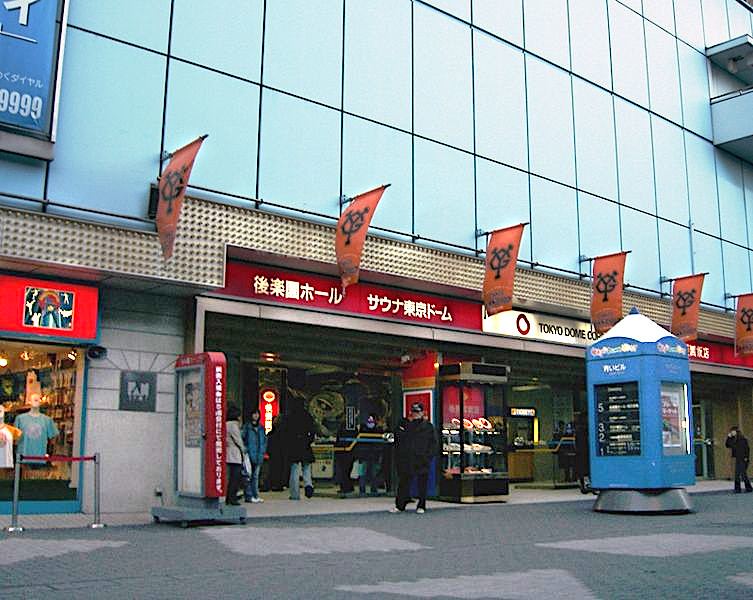
Venues such as Korakuen Hall in Tokyo became shrines for fans. Japanese wrestling also built strong traditions of women's wrestling, junior heavyweight high flyers and hybrid styles influenced by martial arts. Today, puroresu is admired worldwide, and many of the most respected wrestlers anywhere have spent formative years in Japan.
Facts on this page were checked against these sources.
- Rikidozan, 1955: Asahi Shimbun, Public domain
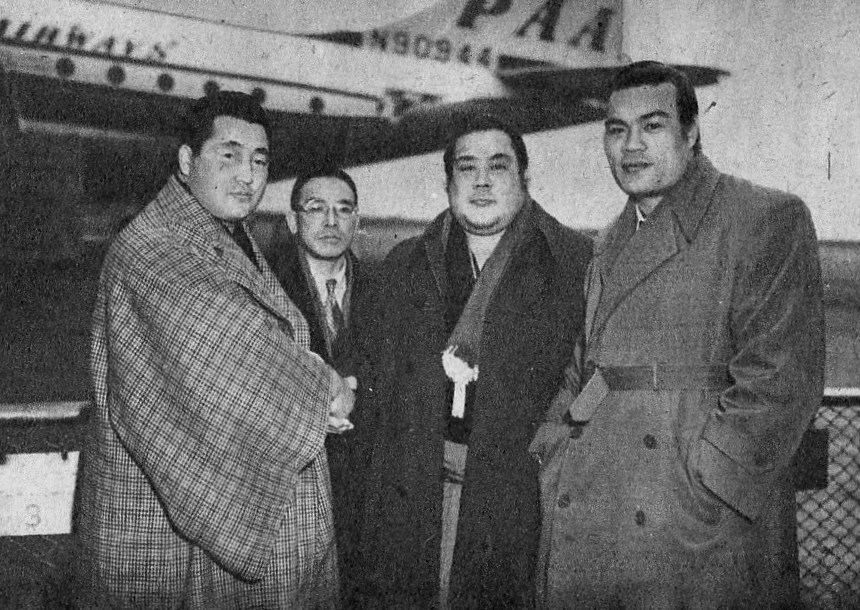
- Rikidozan with sumo wrestlers, 1952: Unknown author, Public domain
- Korakuen Hall, Tokyo: Kure, CC BY-SA 2.5
Text written by Entertainment Wrestling World.